

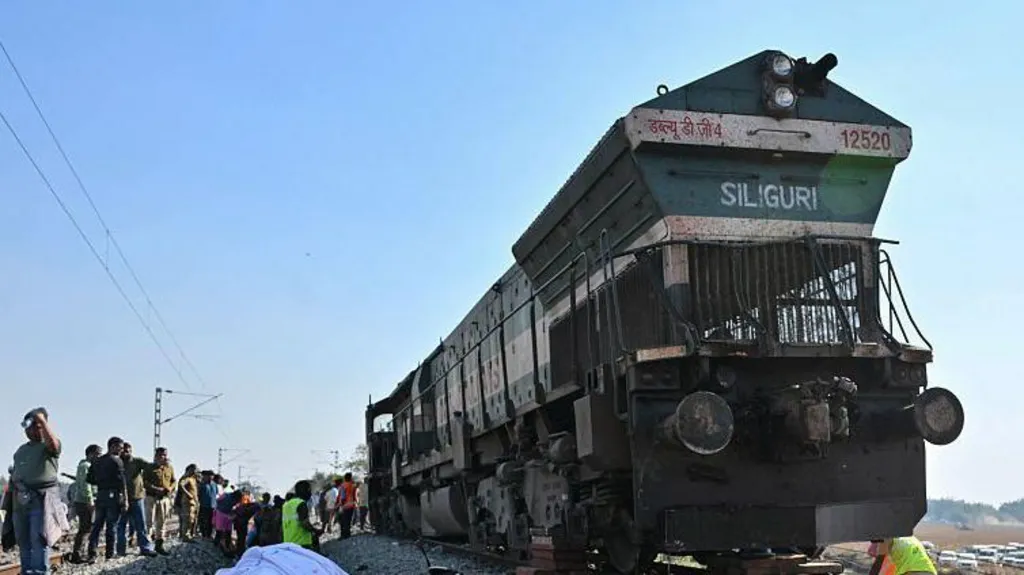
A fast-moving passenger train in north-eastern India has killed seven wild Asian elephants after crashing into a herd that was crossing the railway line, reigniting concerns about the growing conflict between modern transport systems and wildlife habitats.
The deadly accident happened early Saturday morning in Hojai district of Assam state, an area known for its large elephant population. Local authorities confirmed that the elephants killed included young calves, while another calf survived with injuries and is receiving treatment.
Officials from the Northeast Frontier Railway said the train driver noticed a large group of elephants near the tracks and immediately applied the emergency brakes. Despite the quick reaction, the train could not stop in time, and several animals were struck.
The impact was so severe that five coaches of the Delhi-bound express train derailed. Fortunately, no passengers or railway staff were hurt. However, the derailment disrupted rail transport for several hours, forcing cancellations and diversions as engineers worked to clear the line and restore normal services.
Veterinary teams later examined the dead elephants before the bodies were buried, as wildlife officers assessed the scale of the loss. Assam is home to nearly 6,000 elephants, one of the largest populations in India, and encounters between trains and wildlife are not uncommon in the region.
Railway authorities noted that the collision occurred at a point that is not officially marked as an elephant crossing corridor. Even so, conservationists have long warned that expanding rail networks cut across traditional wildlife routes, increasing the risk of such fatal incidents.
The tragedy has once again raised questions about whether stronger measures, such as speed restrictions, improved surveillance, or alternative routes, are needed to protect endangered wildlife while keeping vital transport links running.
As investigations continue, the deaths of the seven elephants stand as a stark reminder of the fragile balance between development and conservation, and the heavy price paid when that balance is lost.