

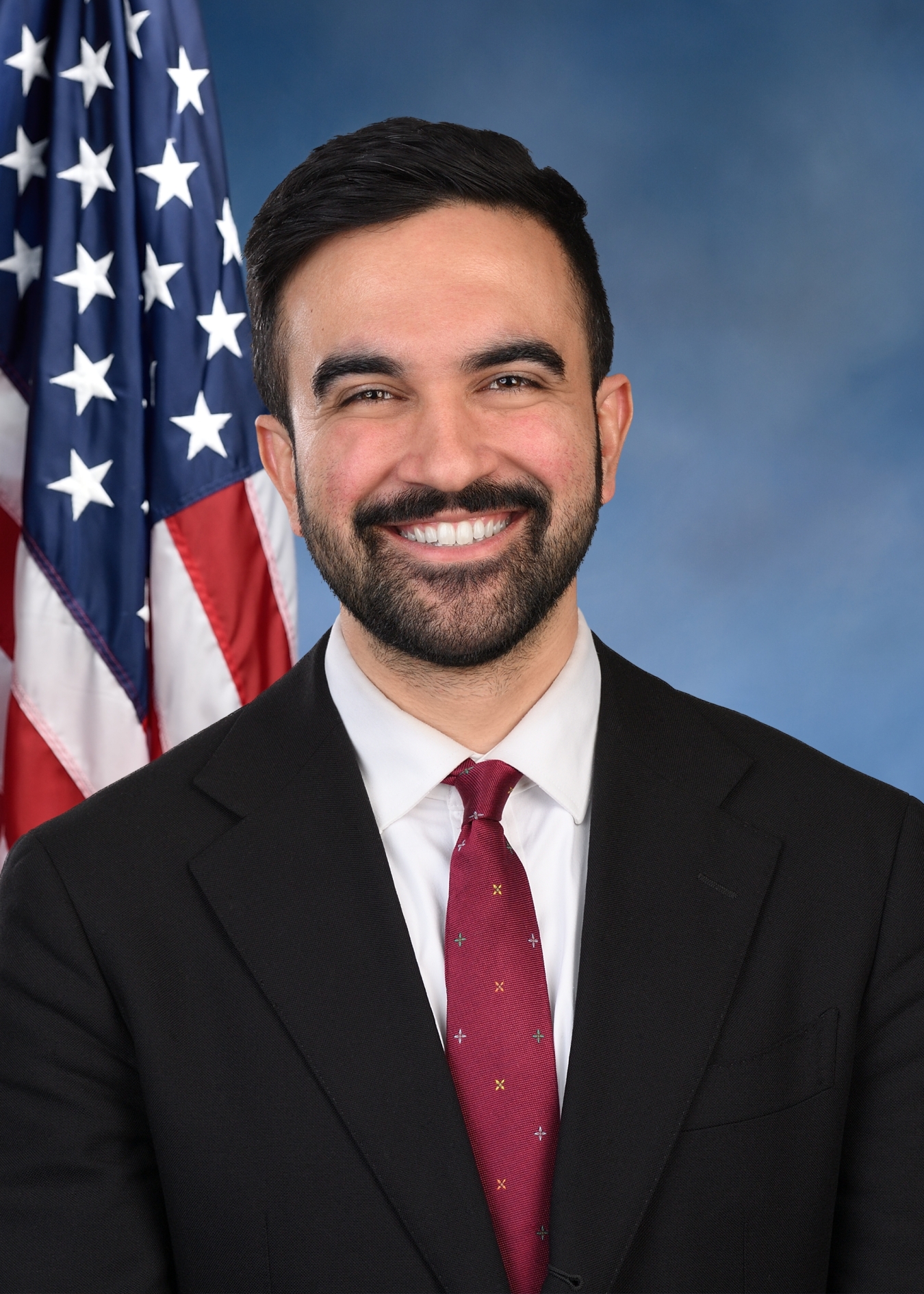
Zohran Mamdani, the newly elected and youngest-ever Mayor of New York City, has roots that stretch deep into Uganda, where he was born and spent his early childhood. According to his financial records, Mamdani owns about four acres of land in Jinja, close to the source of the River Nile. The property is estimated to be worth between 150,000 and 250,000 US dollars, which is roughly between 570 million and 950 million Ugandan shillings.
The 34-year-old politician, who speaks fluent Luganda, was born in 1991 in Muyenga, Kampala. His family later moved to South Africa and then to the United States. Despite living abroad for most of his life, Mamdani often refers to Uganda as his “first home” and proudly speaks of his early memories there.
His financial disclosures indicate that he purchased the Jinja land more than a decade ago, although there are small differences in reports on the exact year. In one record, he stated that the purchase was made in 2012, while another filing suggested 2016. Both documents describe the land as empty and undeveloped.
Mamdani, who built his political career as a progressive Democrat, first served in the New York State Assembly in 2020 before becoming mayor in 2025. Known for his humble lifestyle, he lives in a rent-controlled apartment in Queens and avoids using a car. His campaign focused on raising the minimum wage, expanding affordable housing, and supporting the working class.
He is the son of world-renowned Ugandan academic Prof. Mahmood Mamdani and celebrated filmmaker Mira Nair. His estimated net worth is around 200,000 US dollars (about 760 million shillings), far below that of many of his political rivals in the United States.
Apart from politics, Mamdani also has a passion for music. He occasionally earns from rap royalties under his stage name Young Cardamom, known for the popular track “Nani.”
With his election as mayor, Mamdani is expected to earn an annual salary of about 260,000 US dollars (around 990 million shillings). However, for many Ugandans, what stands out most is not his wealth or fame, but his continued connection to his birthplace through the land he still owns in Jinja — a lasting symbol of his Ugandan heritage and identity.